
Material Spotlight: Flagstone
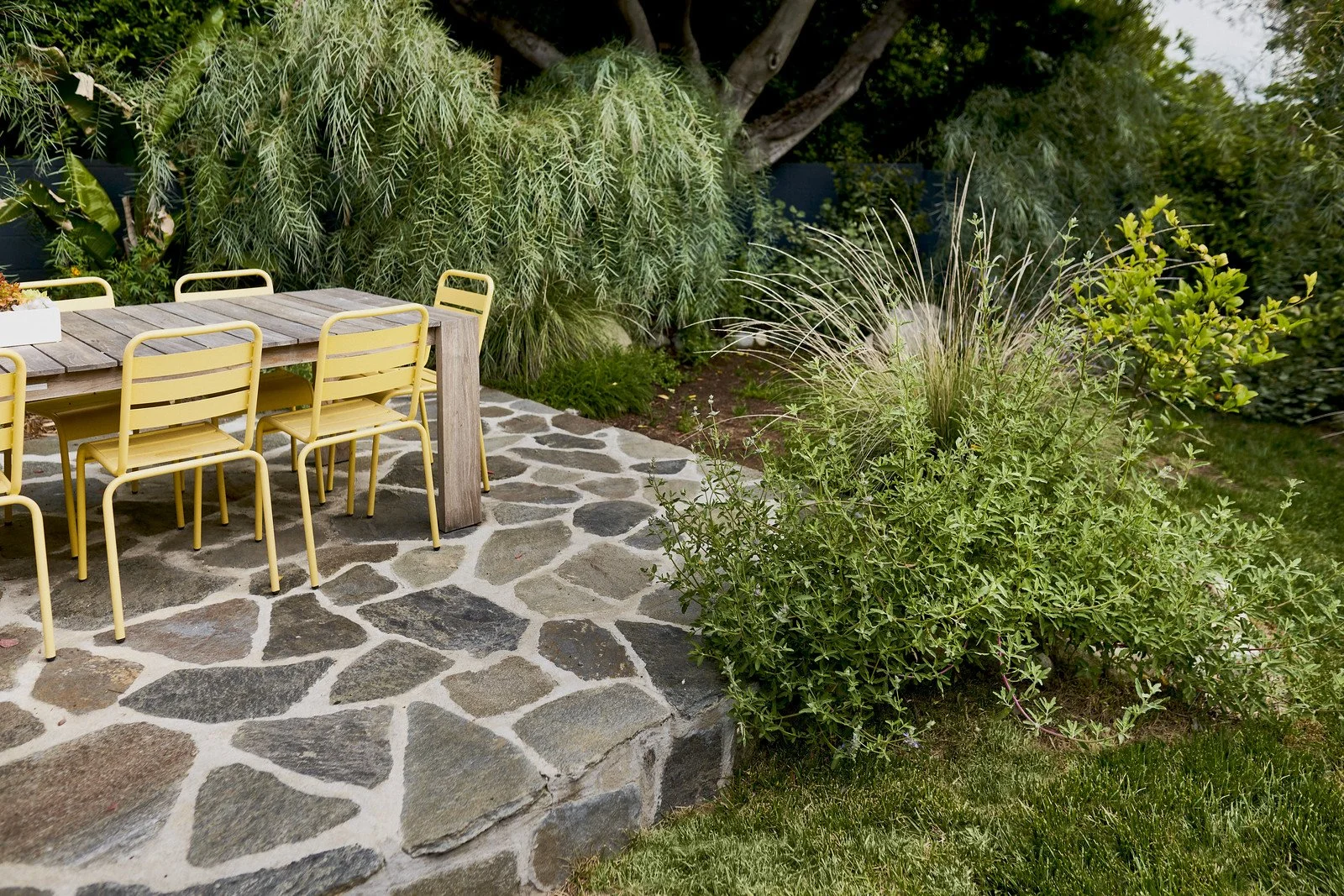
Flagstone in the Garden
1. Embrace Local Choices
When possible, opt for flagstone sourced locally. This reduces the environmental impact associated with transportation and supports local businesses. Consider reclaimed flagstone or urbanite (reused concrete) for a recycled, unique option that tells a story.
2. Consider Durability and Functionality
Think about how your flagstone area will be used. Different types of flagstone offer varying levels of durability and slip resistance. For example, denser stones like slate or quartzite are excellent for heavy use, while sandstone offers a more textured, natural feel.
3. Design: Color, Texture, and Shape
The appeal of flagstone is in its natural variations. Consider the existing colors and textures in your home and garden when making your selection. Color: Flagstone comes in a spectrum of earth tones, from warm browns and reds to cool grays and blues. Texture: The surface texture can range from smooth and refined to rugged and uneven. Shape: Flagstone is available in irregular, organic shapes or more uniform, cut pieces. Irregular flagstone creates a more rustic, natural look, while cut flagstone offers a more formal and structured look.
4. Installation and Maintenance
In terms of maintenance, flagstone is generally low-maintenance, but sealing can help protect it from stains and enhance its longevity. Regular sweeping and occasional cleaning will keep your flagstone looking its best, allowing you to spend more time enjoying your garden.